
5 Functional Kitchen Design Principles Every Homeowner Should Know
6 min read
Key Takeaways
Functional kitchen design prioritises efficiency, layout, and usability rather than focusing only on aesthetics.
The kitchen work triangle helps improve workflow between the sink, cooktop, and refrigerator.
Smart storage solutions such as deep drawers, pull-out pantry systems, and full-height cabinetry maximise organisation.
Layered lighting, including task and ambient lighting, improves both practicality and atmosphere.
Durable materials and thoughtful layout planning ensure a kitchen renovation remains practical and valuable long term.
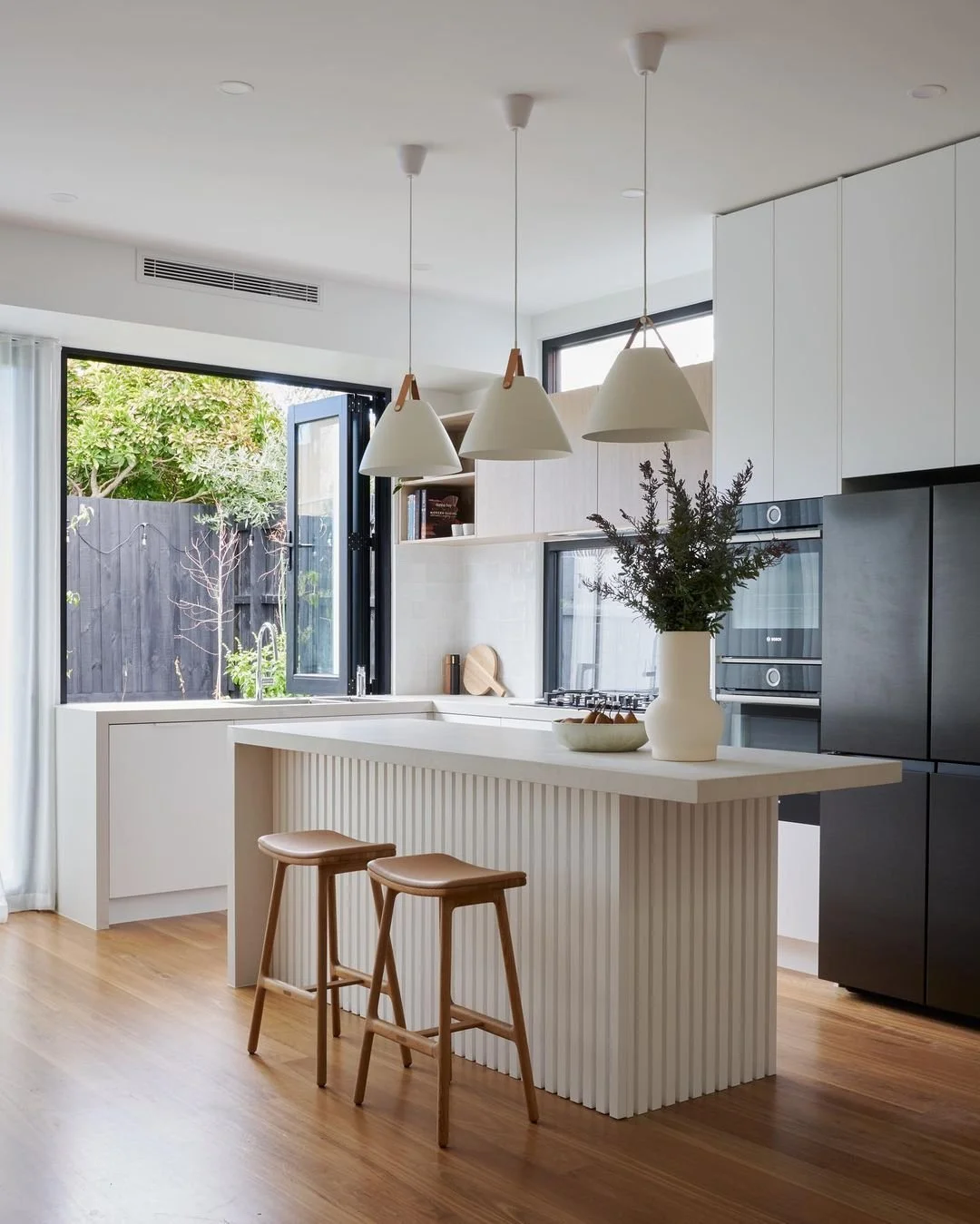
A successful kitchen renovation is not only about choosing attractive finishes or modern appliances. The most effective kitchens are designed around functionality. Good kitchen design ensures that the space works efficiently, supports everyday routines, and remains practical for years to come. Because the kitchen is one of the most frequently used areas in any home, even small design decisions can have a big impact on usability. Poor layout, limited storage, or insufficient lighting can quickly turn a beautiful kitchen into a frustrating space to use. Understanding the core principles of kitchen design can help homeowners make smarter decisions before starting a renovation. The following five principles focus on improving efficiency, comfort, and long-term practicality.
Why Is Functional Kitchen Design Important in a Renovation?
When planning a kitchen renovation, many homeowners naturally focus on colours, finishes, and appliances. While aesthetics are important, functionality should always come first. A well-planned kitchen design improves the way the space is used every day. It reduces unnecessary movement, keeps essential items within reach, and creates a layout that supports cooking, cleaning, and entertaining.
Functional design also contributes to long-term value. Kitchens that feel spacious, organised, and easy to use tend to appeal more strongly to potential buyers. Whether you plan to stay in your home long term or eventually sell, prioritising functionality ensures the renovation remains worthwhile. For homeowners considering a full upgrade, professionally managed kitchen renovations can help integrate both practical design and visual appeal.
What Is the Kitchen Work Triangle and Why Does It Matter?
One of the most well-known principles in kitchen design is the work triangle. This concept focuses on the relationship between the three primary work areas: the sink, the cooktop, and the refrigerator. The idea is simple. These three elements should be positioned so that movement between them is efficient and unobstructed. When placed thoughtfully, the work triangle minimises unnecessary steps and improves workflow during cooking and food preparation.
In modern kitchens, the traditional triangle is sometimes adapted into separate work zones, particularly in larger or open-plan layouts. However, the core principle remains the same. Key tasks should be positioned in a way that allows smooth and logical movement throughout the kitchen. Ensuring clear walkways and avoiding overcrowded layouts can significantly improve both comfort and efficiency.
How Does Storage Planning Improve Kitchen Functionality?
Storage is one of the most important aspects of functional kitchen design. Without sufficient storage, even large kitchens can quickly become cluttered and difficult to organise. Good storage planning considers not only the amount of storage available but also how easily items can be accessed. Deep drawers, pull-out pantry systems, and full-height cabinetry can make a noticeable difference in everyday usability.
Thoughtful storage solutions allow cookware, utensils, and pantry items to remain organised while keeping benchtops clear. This improves both efficiency and visual cleanliness. Well-designed storage can also make smaller kitchens feel far more spacious. By maximising vertical space and incorporating smart cabinet systems, homeowners can create a kitchen that feels organised rather than cramped.
What Are the Most Practical Storage Features in Modern Kitchens?
Modern kitchen design often includes storage features that improve accessibility and organisation. Popular solutions include pull-out pantry shelves, soft-close drawers, integrated waste bins, and appliance cabinets that hide small appliances when not in use. Corner cabinet systems can also make traditionally difficult spaces easier to access. These features may seem small, but they significantly improve everyday convenience.
Why Is Lighting a Key Element of Functional Kitchen Design?
Lighting plays a crucial role in how a kitchen looks and functions. Poor lighting can make food preparation difficult and reduce the overall comfort of the space. Effective kitchen design typically incorporates layered lighting. This approach combines several types of lighting to create both practicality and atmosphere.
Task lighting is used for work areas such as benchtops, sinks, and cooktops. Under-cabinet lights are commonly installed to ensure preparation areas are clearly illuminated. Ambient lighting provides general brightness for the entire kitchen, while feature lighting, such as pendant lights above an island, adds visual interest and warmth. Natural light should also be considered wherever possible. Windows, skylights, and open-plan layouts can enhance brightness and make the kitchen feel more inviting.
How Do Layout and Traffic Flow Affect Kitchen Usability?
Kitchen layout has a direct impact on how comfortable and efficient the space feels. Poor traffic flow can lead to congestion, particularly in busy households where multiple people may be using the kitchen at the same time. A well-designed layout provides clear walkways and ensures that major appliances do not obstruct movement. Islands and peninsulas should be positioned carefully so they enhance the layout rather than restrict it.
Spacing is also important. Walkways should be wide enough to allow easy movement between cooking, preparation, and cleaning areas. For homeowners planning broader upgrades, layout improvements are often incorporated into larger home renovations to improve the overall flow of the property.
Why Should Durable Materials Be Part of Functional Kitchen Design?
A functional kitchen must also be built to withstand everyday use. Durable materials help maintain the appearance and performance of the space over time. Engineered stone benchtops, high-quality cabinet hardware, and resilient flooring materials are common choices because they combine durability with visual appeal. These materials are easier to maintain and less prone to wear compared with cheaper alternatives.
Investing in durable finishes also protects the long-term value of the renovation. Kitchens experience heavy daily use, so selecting materials that handle moisture, heat, and frequent cleaning is essential. Working with experienced builders ensures that both materials and installation are completed to a high standard.
How Functional Kitchen Design Improves Everyday Living
A well-designed kitchen balances aesthetics with practicality. While visual appeal is important, true success in a kitchen renovation comes from thoughtful planning. By focusing on efficient layout, smart storage solutions, effective lighting, smooth traffic flow, and durable materials, homeowners can create a kitchen that supports daily living while maintaining long-term value. If you are planning a renovation and want expert guidance, the team at Dynamic Bros Maintenance can help design and deliver a kitchen that works beautifully for your home. Visit the contact page to discuss your project and start planning a kitchen designed for both style and functionality.